 It was the beginning of the industrial revolution and an explosion in development was underway to build the much needed infrastructure in our growing country. New railroads, highways, bridges and the very new concept of skyscrapers required manpower, and immigrants from around the world poured into the country to find work and a better life. These many immigrants helped create the landscape as we know it. Their legacy remains a great source of pride and enjoyment for us all that continues to this very day.
The influx of immigrants created a need for ethnic food venues to help support the thousands of men who came to work. The Chinese immigrants built food operations to fill the need for wholesome food to sustain the manpower in the early part of the century, and because of its popularity, continued long after.
Many of the original offerings were more traditional dishes, but as these food venues grew, they developed into full fledged restaurants that wanted to broaden their appeal and customer base. As a result, they began to modify and even invent new items that would appeal more readily to the westernized palate. Some of these newly created items we know are chow mein, chop suey, crab rangoon, egg rolls, fortune cookies and one of the more popular dishes like General Tso’s chicken. Although none of these items exist in Chinese cuisine, General Tso, whose real name was General Zuo Zongtang, was actually a real person.
The creation of the dish is traced back to two Chinese chefs — Chef Peng Jia, a Hunanese chef who fled to Taiwan after the 1949 revolution and Chef T.T Wang, a New York based chef who learned to make the recipe from Peng in Taiwan, and brought it back to the USA.
Chef Peng Jia’s recipe was made with un-battered chunks of dark meat chicken that were tossed in a sauce that was more savory than sweet. Chef Wang’s version added the crispy, deep-fried coating along with some sugar to the sauce, and also changed the name. It eventually made its way to Chinese menus across the country (and the globe) with the name itself experiencing some changes in spelling and pronunciation along the way.
I must confess, that no matter what it’s called, Ive always been a fan of the dish, so I set out to learn how to make it at home. The key to making this moist and delicious version is to use boneless and skinless chicken thighs. You can use chicken breast tenderloin if you really want to, but you must marinate it for a few hours to ensure tenderness. The richness of the chicken thigh meat is best for this dish and not only provides the moist nuggets that define this dish, but also a great flavor that breast meat just does not have.
Another secret is to make a batter and a coating to create a delicious crispy exterior that will stand up to the smooth sweet, salty and slightly spicy sauce. It took me a few tries before I got the breading right, and this version hits all the important points. You simply cannot tell it’s homemade — it’s that good.
Lastly, you have to get the sauce right. You must have the right level of sweetness balanced with the right level of acidity, spiciness and thickness, so that all of the chicken is well coated and glossy.
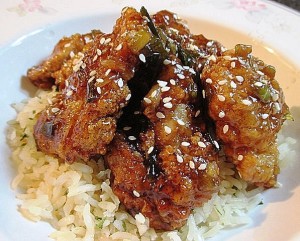
It’s a delicious meal for everyone, so serve it up as a meal over your favorite steamed or fried rice. I have even tossed them onto large platters with toothpicks and passed them around as hot hors d’oeuvres or as snacks to enjoy with friends over a few good beers.
Fry them up in either vegetable or peanut oil, and remember this isn’t diet food. We must always allow ourselves to indulge a little here and there, and what’s not to like with this internationally beloved dish.
You may want to adjust the spice level for the little ones if they will be enjoying the dish at the dinner table with you — that’s pretty easy to do. I guarantee that once the family has tried this, they will be asking for you to make it regularly instead of just heating up those nuggets from the freezer.
General Tso’s Chicken
Marinade
1 to 1.5 lb boneless, skinless chicken thighs, evenly cut into 2” pieces
3 tablespoons soy sauce
2 tablespoons vegetable oil
good pinch of pepper
1 teaspoon onion powder
1/2 teaspoon garlic powder
2 tablespoons rice wine vinegar
Ingredients added to marinade to make a batter
8 tablespoons of egg whites
½ cup rice flour
½ cup cornstarch
1/4 teaspoon baking soda
Coating
2 tablespoons cornstarch
2 tablespoons white rice flour
1/4 teaspoon ground pepper
Sauce
3 tablespoons vegetable oil
3 tablespoons soy sauce
6 tablespoon sugar depending on level of sweetness you prefer
3 tablespoons Chinese rice wine
4 tablespoons rice wine vinegar
2 tablespoons white vinegar
2 teaspoons garlic paste (4-6 garlic cloves, pressed)
1-2 teaspoons fresh ginger paste **optional
1-2 teaspoons chili oil OR use 2-3 dried Chinese chili peppers
2 teaspoons sesame oil
1 tablespoon cornstarch, dissolved into stock
1 cup chicken stock (or ½ bouillon cube in 1 cup hot water)
3 dried chili peppers, whole**optional (or use just chili oil)
2-3 scallions, chopped (add some into marinade and leave some for garnish)
1 tablespoon white sesame seeds** optional
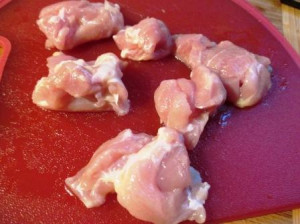
Clean and rinse the chicken thighs and then cut them into bite sized pieces and set aside. Add all of the marinade ingredients to the cut chicken thighs and let them sit covered in the refrigerator until you prepare everything else. If you are using chicken breast tenderloins, make sure to marinate the breast tenders for at least a few hours.

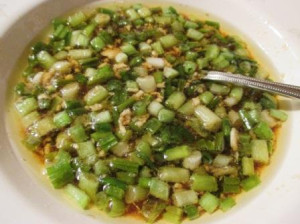
Next prep the ingredients for the sauce and set them aside. You can either add in some chopped spring onions or leave the sauce plain. I personally prefer the sauce with some chopped scallions.
With scallions…
Or without…

Remove the chicken pieces from the refrigerator and add in the other ingredients listed above to make the batter. Stir everything together well and make sure that all of the chicken pieces are evenly coated. The chicken pieces should look like they are covered in a thick, but somewhat loose paste.
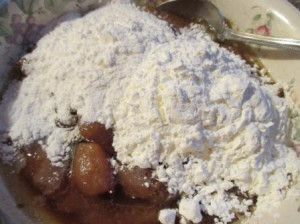
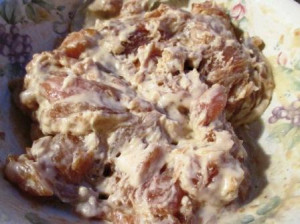
When you are ready to prepare the chicken pieces for frying, add the coating ingredients to a small bowl and stir until they are combined well. Add a few chicken pieces at a time and toss well in the coating, making sure that each piece is evenly coated and that you shake off any excess. Place these directly into the hot oil and fry until golden brown. This will happen fairly quickly, so do not overcook. Once the chicken pieces have cooked, remove them onto a paper lined plate and sprinkle lightly with a little salt.

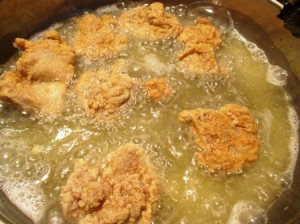
When ready to fry, heat oil to approximately 350°F. Add in chicken pieces, a few at a time and fry until they are a nice golden brown color, then remove onto a paper lined tray or plate. Repeat until all the pieces have been fried.

Once the chicken has been fried, it is time to add all of the sauce ingredients to a large skillet and thicken it before you toss in the chicken pieces. Once it has thickened slightly, you can toss in the chicken and turn off the heat. The sauce will continue to thicken until it reaches that perfect consistency. I add the cornstarch to the cup of stock, and then add that to the pan with the rest of the ingredients. If you are using the chilis, you may want to saute them in a little oil in the pan before you add all of the other ingredients.

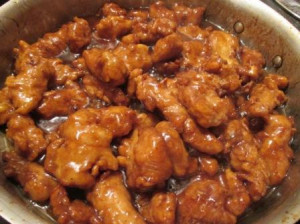
Once it begins to bubble slowly, you will see that it will begin to thicken fairly quickly. Toss in the fried chicken pieces and start coating them so that all of the pieces are well coated with the glaze — the mixture will continue to thicken, so do this quickly. This recipe provides you with plenty of sauce to coat the chicken and spoon over your rice.

Without chopped scallions…
Or with chopped scallions…
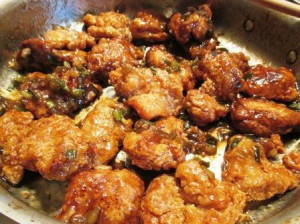
Serve warm with steamed veggies or just over your favorite rice.

Leave a Reply